How Often Should I Change My Oil?
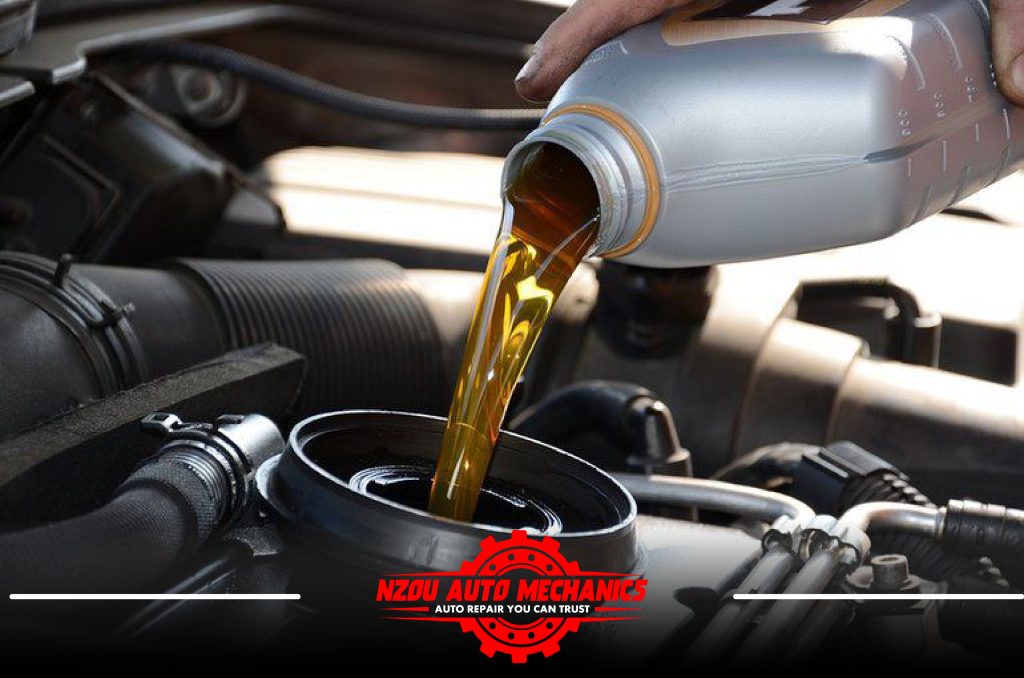
Engine oil is one of the most important fluids in your vehicle. It keeps the engine’s moving parts lubricated, helps control heat, reduces friction, and carries away contaminants that can build up inside the engine.
But how often should you actually change your oil?
The answer depends on several factors, including your vehicle’s make and model, the type of oil you use, your driving conditions, the age of the vehicle, and how hard the engine works.
Whether you drive a daily commuter, family car, bakkie, SUV, or work vehicle, regular oil changes are one of the simplest ways to protect your engine and help keep your vehicle reliable.
At Nzou Auto Mechanics, we believe that understanding your vehicle is just as important as maintaining it. Here’s what every vehicle owner should know about engine oil changes.
Why Do I Need to Change Engine Oil?
Your engine contains many moving components that operate at high temperatures and speeds. Engine oil creates a protective layer between these components, helping them move smoothly while reducing friction and wear.
However, engine oil does not remain in perfect condition forever.
Over time, oil can become contaminated with dirt, dust, combustion by-products, and tiny particles produced by normal engine wear. The oil can also lose some of its ability to properly lubricate and protect the engine.
Engine oil performs several important jobs:
1. Lubricates moving parts
Engine oil reduces friction between components such as pistons, bearings, camshafts, and other internal engine parts.
2. Helps control engine temperature
Oil helps absorb and transfer heat away from certain engine components, working alongside the cooling system to manage operating temperatures.
3. Helps keep the engine clean
Oil carries contaminants and deposits toward the oil filter, helping prevent unwanted material from circulating freely through the engine.
4. Reduces wear
Good-quality oil provides protection between moving metal components, helping reduce unnecessary wear over time.
5. Helps protect against corrosion
Engine oil contains additives designed to help protect internal components from corrosion and other forms of chemical degradation.
What happens if you don’t change your oil?
Continuing to drive with old or degraded oil can increase the risk of excessive engine wear and deposits. In severe cases, poor lubrication can contribute to serious engine damage.
An oil change is relatively simple compared with the cost and inconvenience of major engine repairs.
That’s why regular oil changes should be considered part of your vehicle’s basic maintenance routine.
How Often Should You Change Your Oil?
There is no single oil-change interval that applies to every vehicle.
The best starting point is always your vehicle manufacturer’s recommended service schedule. Your owner’s manual will normally specify how frequently the engine oil and oil filter should be replaced.
Depending on the vehicle, manufacturer recommendations may be based on kilometres, time, or both.
For example, a manufacturer may specify an oil change at a particular mileage interval or after a certain period, whichever comes first.
However, your driving conditions can also affect how frequently your vehicle needs servicing.
You may need more frequent oil changes if you:
- Frequently drive in heavy traffic
- Make many short trips
- Drive in very dusty conditions
- Regularly tow heavy loads
- Carry heavy loads
- Drive on poor or unpaved roads
- Spend long periods idling
- Regularly drive in very hot conditions
- Use your vehicle for demanding work
- Own an older vehicle that consumes or loses oil
These conditions can place additional demands on an engine and its oil.
Don’t wait for a warning light
One common mistake is assuming that you only need an oil change when the dashboard warning light appears.
The oil-pressure warning light is not simply an “oil change reminder.” If it illuminates while the engine is running, it can indicate a potentially serious lubrication or oil-pressure problem.
If you see an oil-pressure warning light, don’t ignore it. Safely stop the vehicle and have the problem checked.
How Do I Know What Type of Oil Is Best for My Car?
Choosing engine oil isn’t simply about buying the most expensive bottle on the shelf.
The correct oil depends on your vehicle manufacturer’s specifications and the requirements of your particular engine.
Engine oils have different viscosity grades and specifications, and using the wrong oil may affect engine lubrication and performance.
You may see labels such as:
5W-30
5W-40
10W-40
15W-40
These numbers describe the oil’s viscosity characteristics at different temperatures.
However, viscosity is only part of the story.
Modern engines may also require particular performance standards or manufacturer approvals. That’s why it is important to check the owner’s manual or reliable manufacturer information before selecting an oil.
Synthetic, semi-synthetic or mineral oil?
Engine oils are commonly available in different formulations, including mineral, semi-synthetic and fully synthetic oils.
The right choice depends on your engine and the manufacturer’s requirements.
Mineral oil is a conventional type of engine oil.
Semi-synthetic oil combines conventional and synthetic base oils.
Fully synthetic oil is engineered to provide specific performance characteristics and is commonly required or recommended for many modern engines.
More expensive does not automatically mean “better” for your particular vehicle. The most important thing is using an oil that meets the specifications required by the manufacturer.
What About the Oil Filter?
When changing your engine oil, don’t forget about the oil filter.
The oil filter helps remove contaminants from the oil before the oil circulates through the engine.
Installing fresh oil while leaving an old, contaminated filter in place may undermine the purpose of the service.
For many vehicles, replacing the oil filter during an oil change is standard maintenance. However, always follow the manufacturer’s recommended service procedure.
Signs That Your Vehicle May Need Attention
An oil change should normally be performed according to your vehicle’s maintenance schedule rather than waiting for symptoms.
However, certain warning signs should not be ignored.
These can include:
- Oil-pressure warning light
- Unusual engine noises
- Visible oil leaks
- Low engine oil level
- Excessive oil consumption
- Burning-oil smell
- Engine running unusually hot
- Poor engine performance
These symptoms don’t necessarily mean that an oil change is the only solution. They can sometimes indicate leaks, lubrication problems, mechanical wear, or other issues that require proper diagnosis.
If something doesn’t feel right, getting the vehicle inspected early can help prevent a small problem from becoming a much bigger one.
How to Check Your Engine Oil
If your vehicle has a traditional oil dipstick, checking the oil level is a simple maintenance habit that can help you spot problems early.
Basic steps:
- Park the vehicle on a level surface.
- Switch off the engine and allow it to cool or follow the manufacturer’s instructions for checking the oil.
- Locate the oil dipstick.
- Remove it and wipe it clean.
- Insert it fully again.
- Remove it and check the oil level against the markings.
- If the level is low, use the correct oil specified for your vehicle.
Some modern vehicles do not have a traditional dipstick and instead use an electronic oil-level monitoring system.
Always follow the instructions in your owner’s manual.
Remember: oil level and oil condition are different things.
An engine can have the correct oil level while still having oil that needs to be replaced.
That’s why checking the oil level does not replace scheduled oil servicing.
Why Regular Oil Changes Are Important for Vehicle Owners
Think of an oil change as preventive maintenance.
You are not simply replacing old oil. You are helping maintain the lubrication system that protects some of the most important and expensive components in your vehicle.
Regular servicing can help you:
- Maintain proper engine lubrication
- Reduce unnecessary wear
- Support reliable engine operation
- Maintain the vehicle according to its service schedule
- Identify leaks or other problems earlier
- Protect your investment in your vehicle
For people who depend on their vehicles every day, preventive maintenance can be especially important.
A vehicle used for commuting, business, deliveries, construction, towing or long-distance travel may accumulate kilometres quickly, making regular servicing even more important.
Don’t Guess When It Comes to Engine Oil
One of the biggest mistakes vehicle owners can make is choosing engine oil based purely on price, colour, brand name, or what worked in another vehicle.
Two vehicles can use completely different oil specifications even if they look similar or have engines of a similar size.
Always check the manufacturer’s requirements for your specific vehicle.
If you’re unsure, speak to a qualified mechanic before adding or changing oil.
Keep Your Engine Healthy With Regular Servicing
Your engine is one of the most important components of your vehicle, and proper lubrication plays a major role in keeping it operating correctly.
Regular oil changes, the correct oil specification, a quality oil filter, and proper vehicle servicing can all contribute to better engine maintenance.
Don’t wait until your vehicle develops a serious problem before giving it attention.
At Nzou Auto Mechanics, we can assist with vehicle servicing, oil changes, diagnostics, repairs, and general mechanical maintenance.
Whether you’re driving a car, bakkie, SUV or work vehicle, keeping up with maintenance can help you get more dependable service from your vehicle.
Need a service or oil change? Bring your vehicle to Nzou Auto Mechanics and let our workshop take care of it.
📍 3 Union Street, Vereeniging Town, Gauteng, South Africa
📞 Call or WhatsApp: +27 74 656 0717
📧 info@nzouautomechanics.co.za
Drive smart. Maintain your vehicle. Protect your engine.
Frequently Asked Questions
How often should I change my engine oil?
The correct interval depends on your vehicle and manufacturer’s recommendations. Check your owner’s manual or service schedule for the specified mileage or time interval.
Can I change my oil less often if I don’t drive much?
Not necessarily. Oil can still degrade with time, even when a vehicle is driven relatively little. Follow the manufacturer’s time-based service recommendations.
Can I use any engine oil in my car?
No. Different engines require different oil viscosities and specifications. Always use oil that meets the requirements specified by the vehicle manufacturer.
Should I change the oil filter when changing engine oil?
For many vehicles, replacing the oil filter during an oil change is recommended. Follow your vehicle manufacturer’s service requirements.
What happens if I drive with low engine oil?
Low oil levels can reduce the engine’s ability to maintain proper lubrication and may increase the risk of engine wear or damage. If your oil level is low, investigate why and use the correct oil as specified by the manufacturer.
Is fully synthetic oil better than mineral oil?
Neither is automatically the right choice for every vehicle. The correct oil is the one that meets your engine manufacturer’s required specifications.
How do I know if my car is losing oil?
Check the oil level regularly and look for signs such as oil spots underneath the vehicle, visible leaks, unusual smells, or the need to add oil more frequently than expected. A mechanic can inspect the vehicle to determine the cause.
Article by Nzou Auto Mechanics
This article provides general vehicle-maintenance information. Always follow your vehicle manufacturer’s recommended service schedule and oil specifications for your specific make and model.